What Are the Key Responsibility of a Dental Hygienist?
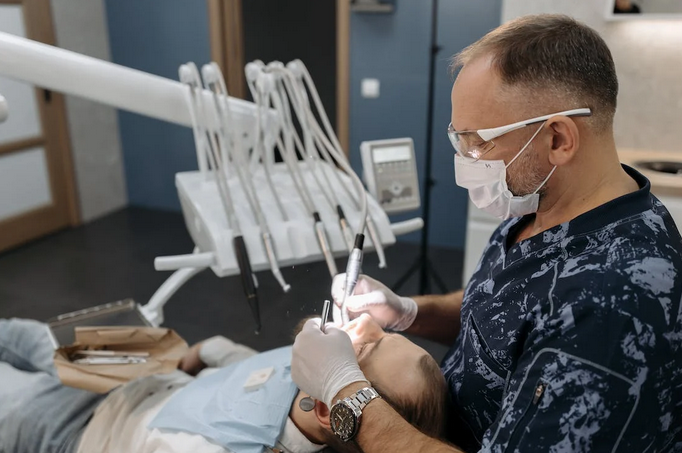
Dental hygiene is an important part of oral care. Dental hygienists play a key role in keeping teeth healthy by providing preventive services and education. If you are planning to get a dental hygiene program in Texas, here are the key responsibilities of a dental hygienist that you should know. Let’s take a look.
Reviewing Dental and Health History
The first step in providing quality dental hygiene care is to obtain a thorough dental and medical history from the patient. This helps the hygienist understand any pre-existing conditions that may impact oral health, such as diabetes or autoimmune disorders. The information will also alert the hygienist to any medications that might dry out the mouth or make the patient more susceptible to gum disease.
Screening Patients for Oral Diseases
As a dental hygienist, you will be responsible for screening patients for oral diseases. This involves checking the mouth for signs of oral cancer, gum disease, and tooth decay. You will also take X-rays and perform other diagnostic tests as needed.
Conducting Dental Cleanings
The most important responsibility of a dental hygienist is to conduct professional dental cleanings. This involves removing tartar, plaque, and other debris from the teeth and gums. The hygienist will also polish the teeth and provide fluoride treatments if necessary.
Taking Dental X-Rays
One of the key responsibilities of a dental hygienist is taking x-rays of patients’ teeth. This helps dentists identify problems such as tooth decay, tumors, and cysts. Dental x-rays are safe and painless, and they provide valuable information that can help ensure patients receive the best possible care.
Applying Preventive Care
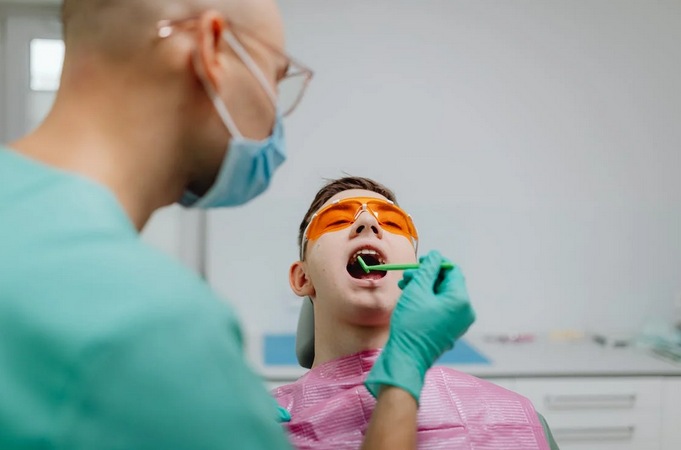 As a dental hygienist, you will be responsible for applying preventive care to patients. This includes teaching patients how to practice good oral hygiene and providing treatments that can help prevent tooth decay and gum disease. You may also provide sealants and fluoride treatments to help protect teeth from damage.
Teaching Patients Good Dental Hygiene
The primary responsibility of a dental hygienist is to teach patients how to practice good oral hygiene. This includes proper brushing and flossing techniques. Patients will also be taught about the importance of regular dental visits.
Helping Patients Improve and Maintain Good Dental Health
As a dental hygienist, you will be responsible for helping patients improve and maintain their oral health. This includes providing education on proper brushing and flossing techniques and performing professional teeth cleanings. You may also need to take x-rays and provide other diagnostic services.
Documenting Care and Treatment as It’s Performed
 As the hygienist cleans teeth, they are also documenting what they see. This includes taking note of any areas of concern, such as gingivitis or tooth decay. The hygienist will also document what type of treatment was performed. For example, if they scaled a patient’s teeth, they would document this in the patient’s chart.
Dental hygienists are responsible for a great deal in the dental office. They help patients maintain their oral health, educate them on proper brushing and flossing techniques, and work with dentists to treat any oral health concerns. If you’re considering a career as a dental hygienist, be sure to ask your dentist what their specific needs are so that you can tailor your education accordingly.…

 Do you spend 80 hours a week in the office? Maybe the family dog barely takes you these days. If your livelihood is sucking the life out of you, you are probably unhappy, which affects the people around you. This is a clear indication to discover other ways to make a living.
 Would you choose your current career, or would you fall into it somehow? The results of LinkedIn, which they call “professional sleepwalking,” show that 22% of Americans claim to fall into their profession rather than choose it themselves. Perhaps a comparison helped you get your first job because you had a salary. Or maybe you took the first camp where you could run away from college and ended up stuck.
 Believe it or not, your word skills can enchant employer or company you intend to apply if you know what word power they want to hear. Work on it in your resume to be noticeable. Any jobs ranging from lawyers, lecturers, teachers, marketers, or any other duties are owning their technical jargon. Ensure that you make a deal with the words people have used. All the jargon and keywords are listed in the job description. You can use UX, SEO, or other jargon to make your resume and cover letter stand out as long as they are not overused. This way, the company can find you through their Applicant Tracking System (ATS) with such specific keywords. Even though the human resources scan the applicant in person, they surely already get a particular keyword to navigate through a lot of resumes with trained eyes looking for vital keywords and key phrases. The more you utilize these power words and even phrases, the more visible your resume will be.